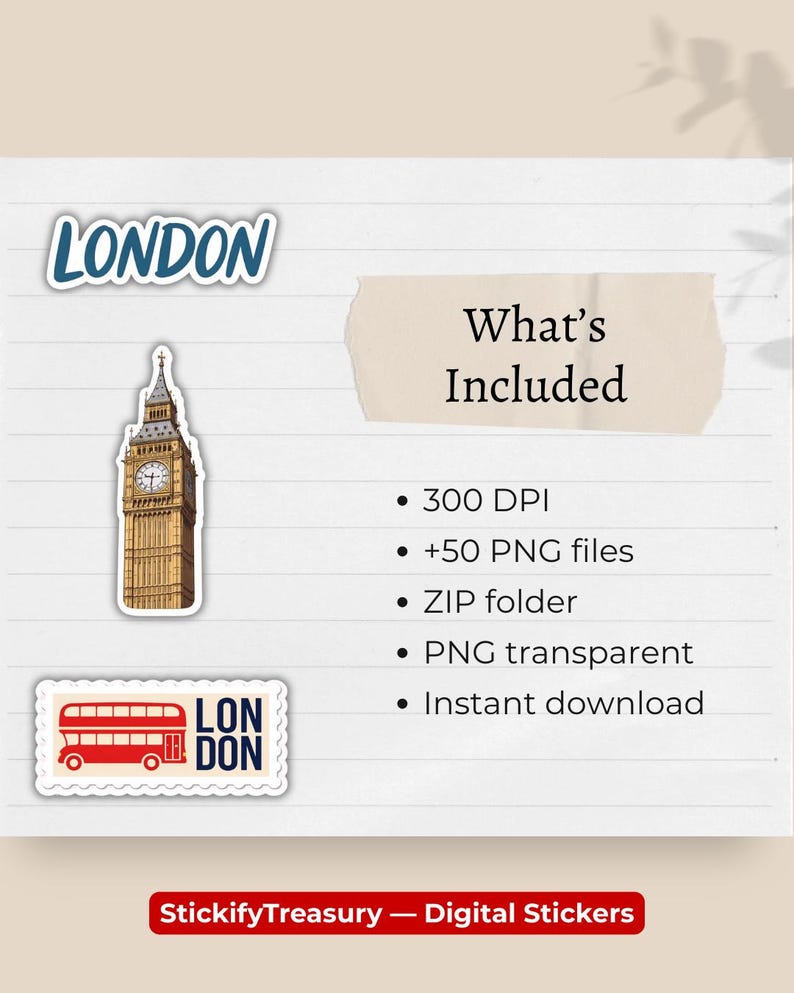
Thoughtful London and UK travel journal ideas avoid blending a city, a country, and the United Kingdom into one label. London can have a focused city chapter, England can frame travel beyond the capital, and Scotland and Wales should retain their own names, places, and experiences.
Use the terminology that matches your route. If you visited only London, say so. If the journey includes England, Scotland, or Wales, give each section enough room to be specific. Clear geography is not a technical detail; it is part of telling the travel story respectfully.
London and UK travel journal ideas need a clear route key
Begin with a route page that names the constituent country for each stop and lists cities or regions underneath. Use separate colors or symbols for England, Scotland, and Wales. Add London as a city within the England portion rather than placing every label at the same geographic level.
Keep the route based on confirmed travel, and link changing transport information to current providers. If Northern Ireland is not part of the journey or there is no matching pack, do not imply otherwise. The journal should describe the itinerary you actually have.
Give London a neighborhood-based chapter
London can quickly become a list of famous stops. Slow the pages down by organizing them around walks, neighborhoods, or daily routes. Record where the day began, the change in atmosphere between areas, and one ordinary detail that a landmark photograph would miss.
Use the London pack to mark this city section. Confirm place names and transport information through current sources, and avoid presenting one central district as the life of the whole city. Your pages can be full of personal impressions while remaining limited to your path.
Keep England pages broader than the capital
If you travel elsewhere in England, create a separate section for those stops. Repeat a small set of prompts: reason for visiting, route, landscape or streetscape, a meal or pause, and something learned. The England pack can link these pages without turning them into extensions of London.
If London is your only English destination, keep the England overview brief and accurate. A map showing the city’s location, a note about the route into it, and questions for future travel are enough. Do not invent national coverage to make the journal appear larger.
Let Scotland have its own voice
Title Scottish pages with the specific city, town, island, or landscape you visited. Record the route and your own observations, and verify unfamiliar words or place names before printing them. Follow local and site-specific guidance for access and photography.
Use the Scotland pack only in the Scottish chapter, and avoid generic “UK” captions when the place can be named more precisely. This creates a clearer visual book and prevents distinct histories and identities from being flattened into one travel theme.
Build Wales pages around real stops
Give Welsh destinations the same care. Keep a language page for verified Welsh place names or words you genuinely encountered, noting the reliable source used to check them. Do not guess pronunciation or treat the language as decorative lettering.
A Wales spread can include the travel sequence, weather, landscape, a local museum or cultural source, and one daily memory. The Wales pack can identify the chapter, while the writing stays grounded in what you actually did rather than a checklist of national symbols.
Compare journeys without ranking places
Repeated prompts help you notice differences in pace, transport, landscape, and your own mood. Use them to compare your experience, not to declare one country friendlier, more authentic, or more beautiful than another. A short visit does not support those sweeping conclusions.
Try a page called “what changed as we traveled” with columns for route, weather, daily rhythm, and questions. Keep people and cultures out of simplistic scores. The useful comparison is how the journey unfolded and what each stop taught you to notice.
Close every section separately
End London, England, Scotland, and Wales chapters with a brief reflection if each was part of the trip. Note a memory, an unanswered question, and a reason to return. Unequal section lengths are honest when the time spent in each place was unequal.
Then create one final route page for the whole journey. Link it to photographs, a digital archive, or a later scrapbook. Back up the finished notebook and keep the original PNG files organized according to their individual destination packs.
Clear labels make a London and UK journal warmer, not colder. They allow every city and country to be remembered at the right scale, with room for difference instead of a single generic theme.
Draw the route first and name each stop precisely. Once the geography is honest, the creative choices—photos, colors, stickers, and reflections—become much easier.
During the final review, verify whether every heading should say London, England, Scotland, Wales, or UK. Replace generic labels with the most precise accurate place, and check Welsh and Scottish names through reliable sources. Mark proposed stops as plans rather than memories. This small language audit respects the journey’s geography and prevents a future reader from mistaking a broad route title for the location of a specific experience.
Keep a private version if the journal includes companions, addresses, or personal conversations. Create a separate shareable copy with sensitive details removed and consent checked. The more carefully you distinguish places in the writing, the easier it becomes to decide which pages can travel beyond the original book.
Destination packs for this idea
Keep reading
Choose the right page for each place.
Explore the London, England, Scotland, and Wales packs, then match each collection to the part of the journey it actually represents.
Explore the London pack